
African Mango in Thermo Ignite: Upbeat Trial Results, Poor Trial Quality
Quick answer
African mango seed extract comes from Irvingia gabonensis, a West African tree. Three small trials with 208 people all reported weight loss, but reviewers found serious design flaws and said it cannot be recommended. One person with kidney disease needed dialysis after 2.5 months of use. Thermo Ignite does not publish its African mango amount.
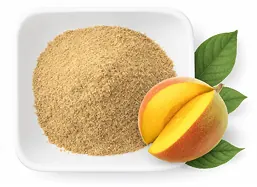
What is African mango seed extract?
African mango is the common name for Irvingia gabonensis, a tree native to West and Central Africa. Supplements use an extract of its seed, which is rich in fiber and fat.
- Type
- Seed extract
- Source
- Seeds of the Irvingia gabonensis fruit
- Also called
- Irvingia, bush mango, dika nut; IGOB131 is one branded extract
- In Thermo Ignite
- Amount not published
Despite the name, it is not the sweet mango sold in US stores. The brand graphic pictures a common mango, which is styling rather than a photo of the ingredient.
What did human studies of African mango find?
Every trial reported weight loss, which sounds strong until you look at how the trials were run. A systematic review found problems serious enough to reject the results as a basis for advice (Onakpoya et al., 2013 (African mango)).
| What reviewers checked | What they found |
|---|---|
| Random assignment described? | No, in none of the three trials |
| Assignments hidden from researchers? | No, not described in any trial |
| Independent research teams? | No, all three came from one group |
| Number of people | 208 in total, across 4 to 10 weeks |
| Reviewers' verdict | Cannot be recommended for weight loss until better trials exist |
Why one research group matters
When every trial comes from the same team, the same blind spots can repeat in each study. Independent groups testing the same extract are how science checks a finding, and for African mango that check has not happened in the trials reviewed.
MSK reaches a similar view, calling most African mango studies small and of poor quality (MSK, Irvingia gabonensis (About Herbs)). ODS places it among ingredients that might help with only a small or very small amount of weight (NIH ODS, Weight-Loss Supplements (consumer)).
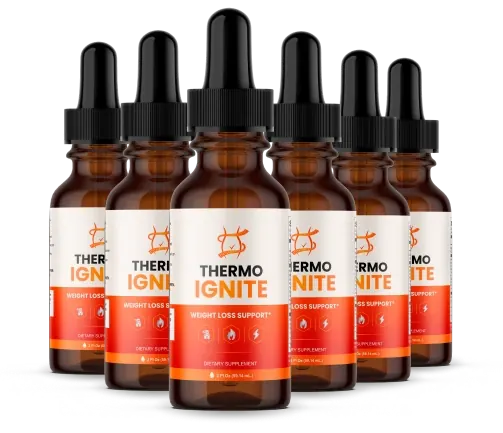
Thinking about Thermo Ignite? The best price is on the 6-bottle pack.
6 bottles at $49 each, save $780. 60-day money-back guarantee · Free US shipping · Secure checkout.
How is African mango thought to work?
The seed holds a lot of soluble fiber. Fiber can slow digestion and help a meal feel more filling, which is the basis for the appetite claim.
Early lab research also looked at effects on fat cells and on hormones tied to hunger and fullness. Those findings have not been confirmed in well-run studies of people.
Is African mango a scam, or just weakly studied?
It is a real seed with a real research history, so "scam" is the wrong word. The fair label is weakly studied: the claims run ahead of the evidence. Here is how the Thermo Ignite claims line up for this ingredient.
- On the label
Weight Loss Support*
Front labelFor African mango, the trials behind such claims had design flaws and came from one research group.
- Marketing only
Appetite
Sales pageFiber-rich seeds may add fullness in theory. No good-quality trial in our sources shows it.
- Not shown
African mango per mL
Supplement Facts panelNot published, so even the flawed trial doses cannot be compared.
If you want a way to judge any ingredient's research yourself, our guide to choosing a weight-loss supplement walks through the checks.
How do African mango trial doses compare with Thermo Ignite?
The most cited trial used a branded extract at a modest dose. Other trials used up to ten times more.
| Measure | Amount per day | Source |
|---|---|---|
| IGOB131 extract, 10-week trial | 150 mg twice (300 mg) | (NIH ODS, Dietary Supplements for Weight Loss (health professional)) |
| Range across trials | 300 to 3,150 mg | (NIH ODS, Dietary Supplements for Weight Loss (health professional)) |
| Trial length | 4 to 10 weeks | (Onakpoya et al., 2013 (African mango)) |
| Thermo Ignite, 1 mL twice a day | Not published | No panel supplied |
Extracts also differ from one maker to the next. Even with a printed amount, a generic seed extract would not be the same as the IGOB131 extract tested in the best-known trial.
Is African mango safe, and what does it interact with?
Most reported side effects are mild: gas, headache and sleep problems (MSK, Irvingia gabonensis (About Herbs)). One report is not mild.
The kidney case
MSK describes a patient with kidney disease who needed dialysis after 2.5 months of taking African mango. One case cannot prove cause, but it is a serious enough event that people with kidney disease should not start this ingredient without a doctor's approval.
Diabetes medicine
Animal data suggest African mango may add to the blood-sugar-lowering effect of diabetes drugs, according to MSK. The drops also contain chromium, which ODS says may do the same (NIH ODS, Chromium (health professional)). Ask before you start.
See every caution for the full formula on the Thermo Ignite side effects page.
Who should skip African mango or ask first?
Four questions cover the main concerns for this ingredient. Nothing you tap is stored.
Should you avoid African mango?
Do you have kidney disease or reduced kidney function?
Do you take insulin, metformin or another diabetes medicine?
Are you pregnant or breastfeeding?
Are you under 18?
Answer every question to see your result. Nothing is saved or sent.
No red flag from these questions. Keep in mind that the weight evidence is weak, so set your expectations low.
Talk to your doctor before you start, and bring the bottle. Kidney disease and diabetes medicine both need a direct conversation.
Skip Thermo Ignite. It is sold for adults, and pregnancy or breastfeeding is not the time to try a weakly studied seed extract.
How does African mango as food compare with the extract?
In parts of West Africa the fruit is eaten, and the seeds are dried, ground and used to thicken soups and stews. In that form it is part of a meal, eaten with other foods.
An extract concentrates the seed into a supplement, and that is the form linked to the kidney case and the weak trials. For appetite, the closest everyday parallel is simply eating more fiber from beans, oats, vegetables and fruit. Gymnema is the other appetite-related plant in the formula; see the Gymnema page.
African mango: common questions
Is African mango a scam?
The ingredient is real, but the weight evidence is weak. All three trials in a systematic review came from one research group and had design flaws, so the reviewers said it cannot be recommended for weight loss.
Does African mango really work for weight loss?
It has not been shown well. The three small trials all reported weight loss, yet none described proper randomization, and ODS groups it with ingredients that might help with only a small amount of weight.
What is Irvingia gabonensis?
It is the botanical name of the African mango tree, which grows in West and Central Africa. Supplements use an extract of its seed, not the fruit flesh.
Does African mango suppress appetite?
That is the theory, mostly because the seed is rich in fiber. No good-quality trial in our sources has shown it in people.
How much African mango extract should I take?
The best-known trial used 150 mg of an extract called IGOB131 twice a day, or 300 mg daily. Thermo Ignite does not publish its African mango amount.
How long does it take for African mango to work?
The trials ran only 4 to 10 weeks, which is too short to judge lasting change. With flawed designs, even those short-term results are uncertain.
What are the side effects of African mango?
MSK lists gas, headache and sleep problems. It also describes one serious kidney case, covered in the safety section of this page.
Is African mango safe for your kidneys?
There is one serious warning sign. MSK describes a patient with kidney disease who needed dialysis after 2.5 months of use, so anyone with kidney disease should avoid it unless a doctor approves.
Can you take African mango with diabetes medicine?
Ask your doctor first. MSK notes animal data suggesting an added blood-sugar-lowering effect with diabetes drugs, and the same drops also contain chromium.
Why are African mango studies considered weak?
Reviewers found that none of the three trials described how people were randomly assigned or how assignments were hidden, and all three came from one research group. Together they enrolled only 208 people.
Page check
Written by
Writes and fact-checks every page against the bottle, the sales page and public health sources.
Medically reviewed by
Dr. Sriram Machineni, MD, Physician
Medical reviewer. Review date: October 11, 2026.
- Last checked October 7, 2026
- Facts from the bottle, the sales page and the sources cited above
- Found an error? Write to [email protected] or read how we check facts